Hi everyone! In this post I would like to share a teaching strategy we use in our classrooms: Gamification.
Teaching English in a country where it is not the mother tongue is not an easy task. Having students motivated and ready for the class is hard for us as teachers. The importance of motivation in the class setting is well-known, everybody who is involved in the educational field knows or should know how powerful it is to have motivated students eager to learn and interact with one another. As Benjamin Franklin had said it “Tell me and I forget, teach me and I may remember, involve me and I learn.” The power of involvement should be taken as a tool to enhance learning and make students accountable of their own learning.
Throughout the history of education, teachers have been trying different methods to fulfill students’ needs. Gamification has arisen as a possible way to stimulate 21st Century students to perform better academically.
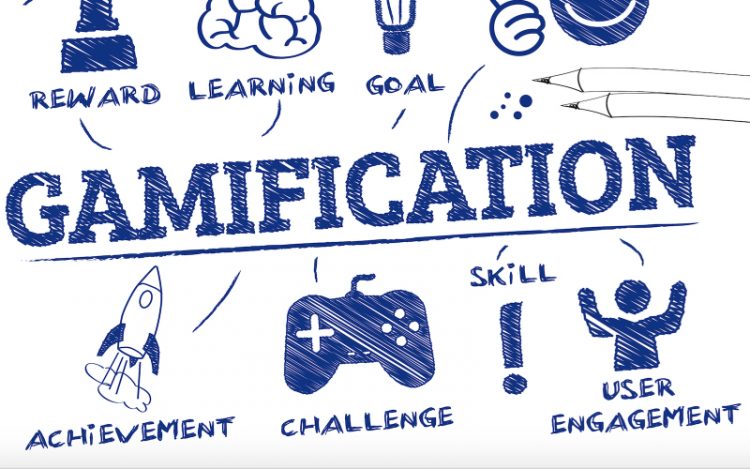
In order to apply the foundations of gamification in the classroom, teachers must be aware of the necessary elements to conduct a well-organized gamified class. Gamification is an approach that makes learning more interesting by encouraging students to participate more actively. It is a tool that uses game elements, mechanics and game-based thinking in order to achieve a goal.
Gamification consists of game design elements in nongame contexts. That means, game elements, mechanics and game-based thinking are applied in different contexts such as business and education. Even though, people might only relate gamification to the business world, it is also possible to apply the concept in the educational field.
Gamification is done to motivate and engage the learners, so that they can become active participants in their own learning process. It is the process of adding game elements to a non game situation. The integration of gamification in the classroom has added a more authentic manner to education.
Gamification is used to encourage a specific response or behavior. It promotes competition to engage students; it also helps students track their own progress. As stated, gamification is the process of adding game-like mechanics to non game activities. Another possible way to apply gamification in the classroom setting is to promote desired behavior. In other words, gamification works like grades, gold stars, trophies and certificates. Because students who perform a specific action in the game following the rules are expected to be rewarded.

What kind of games do you use in your class? Share with us.

 Posts
Posts